

Most safety products start in a lab. FusionBLADE started at our booth at the Transportation Research Board Annual Meeting, when someone who runs work zones for a living walked up and asked a direct question: could our sensor watch the back of an attenuator truck and warn the crew before a vehicle hit it?
This is the story of how we answered that question, and why the answer was built with the Missouri Department of Transportation rather than for them.
In January 2024, Chris Engelbrecht of MoDOT stopped at the Omnisight booth at TRB. We were showing FusionSensor, our roadside device that fuses HD3D radar with AI video to count, classify, and track everything on the road. Chris wasn't interested in counting. He was interested in the truck-mounted attenuators his crews work behind every day.
A TMA is designed to take a hit. That's its job. But the crew in front of it has no warning that the hit is coming. The operator in the cab is watching a mirror. The workers on the ground are watching their work. By the time anyone hears the crash, it has already happened.
Missouri had the numbers to show how often that was happening. MoDOT's protective vehicles and TMAs were struck 58 times in 2023, close to once a week. And 33 people died in work zones on Missouri state routes that year, according to the MoDOT Tracker, the agency's public performance dashboard.
Chris told us what his crews needed. A system that sees the approaching driver, decides whether that driver is going to stop, and warns everyone in time to move. He asked if we could build it.
We didn't have to invent a new sensor. FusionSensor already did the hard part.
Radar measures the speed and distance of every approaching vehicle, in rain, fog, glare, and darkness. Video classifies what the radar sees and keeps a recording. TrueEdge fuses the two on the device 20 times per second, so nothing waits on a network connection. We had already written about why that matters in our post on edge processing and traffic safety.
What FusionSensor did not have was a way to act. It could tell you a truck was closing fast. It couldn't fire a horn.
So FusionBLADE, the Backward Looking Advanced Detection Engine, became FusionSensor plus an output module. The same sensor, mounted on the back of the truck, wired to lights, horns, message signs, and wearables. Detect, classify, decide, alert, and record, all in under 100 milliseconds. Because the radar tracks vehicles from well beyond the taper, the warning fires while the driver is still approaching, before the vehicle enters the work zone.
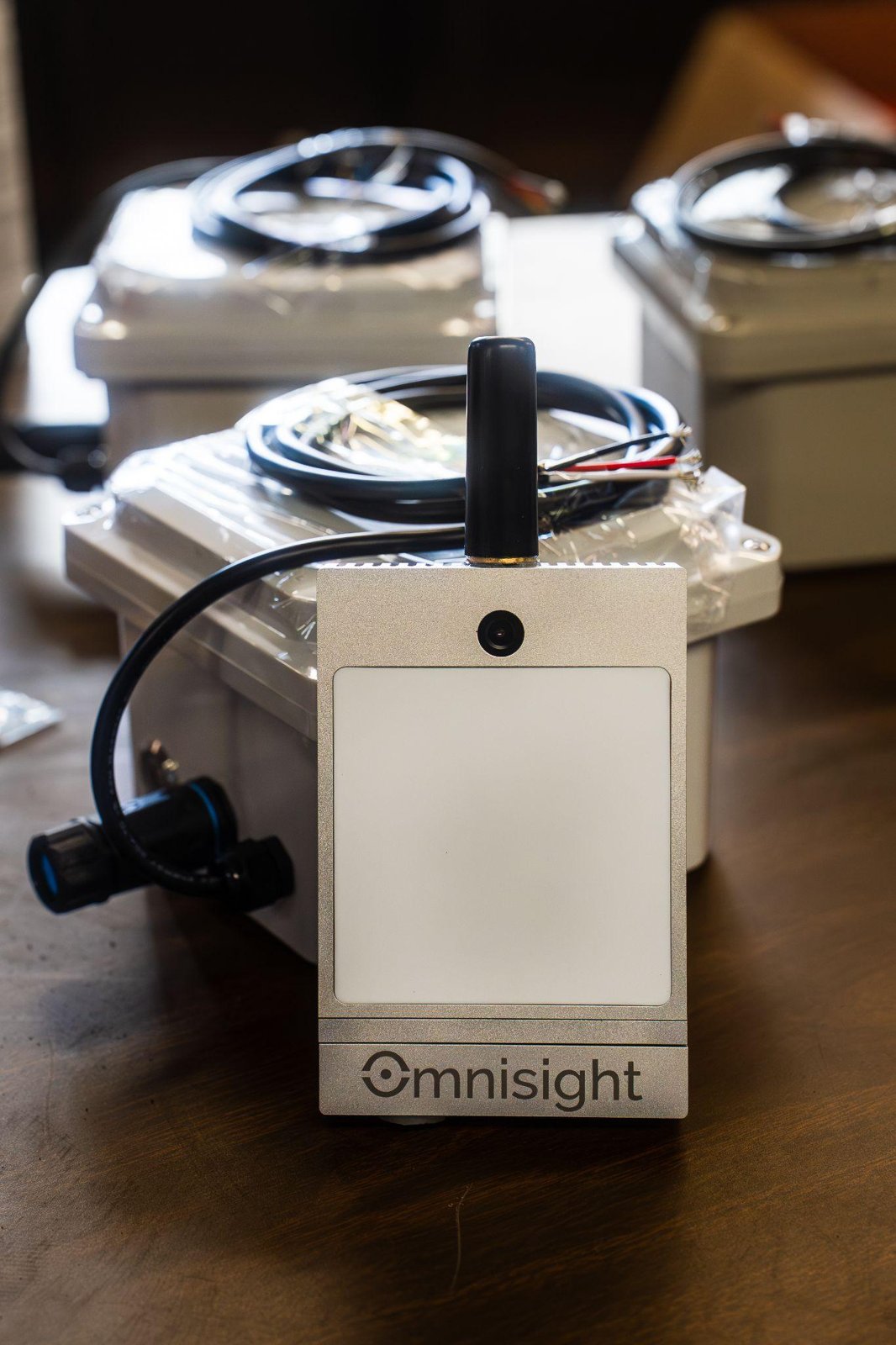
The hardware was ready quickly. The hard part was timing, and that took a year of pilots on MoDOT trucks.
When should the alarm fire? Too early and crews learn to ignore it. Too late and there's no time to move. The alert distance is adjustable, and it's the agency's call. Working with MoDOT crews, we settled on a recommended window of 1.5 to 2 seconds before a predicted collision, enough time for the driver to react and avoid the incident, and made the threshold scale with posted speed so the warning arrives farther out on faster roads. Set it farther out than that and it fires too often.
How loud, and aimed where? The horn had to reach an errant driver without startling every other car passing the scene. We tuned sound levels to target the vehicle on a collision path.
What counts as a threat? A driver who drifts toward the buffer and corrects is not a threat. A driver who hasn't touched the brakes at the taper is. The monitoring logic was refined event by event, using recorded clips from real approaches.
What do crews actually need to touch? Nothing complicated. Every truck got a laminated QR card. Scan it, test the lights and horn, see the live approach view. No login, no training.
Every major feature since has come from that same loop. Chris and his crews told us what was wrong or missing. We changed it. They tested it again. You can see the system on MoDOT trucks in this short video from the deployment.
After the pilot, MoDOT sole-sourced FusionBLADE and began retrofitting its attenuator truck fleet, with the goal of a unit on every TMA in the state over the next several years.
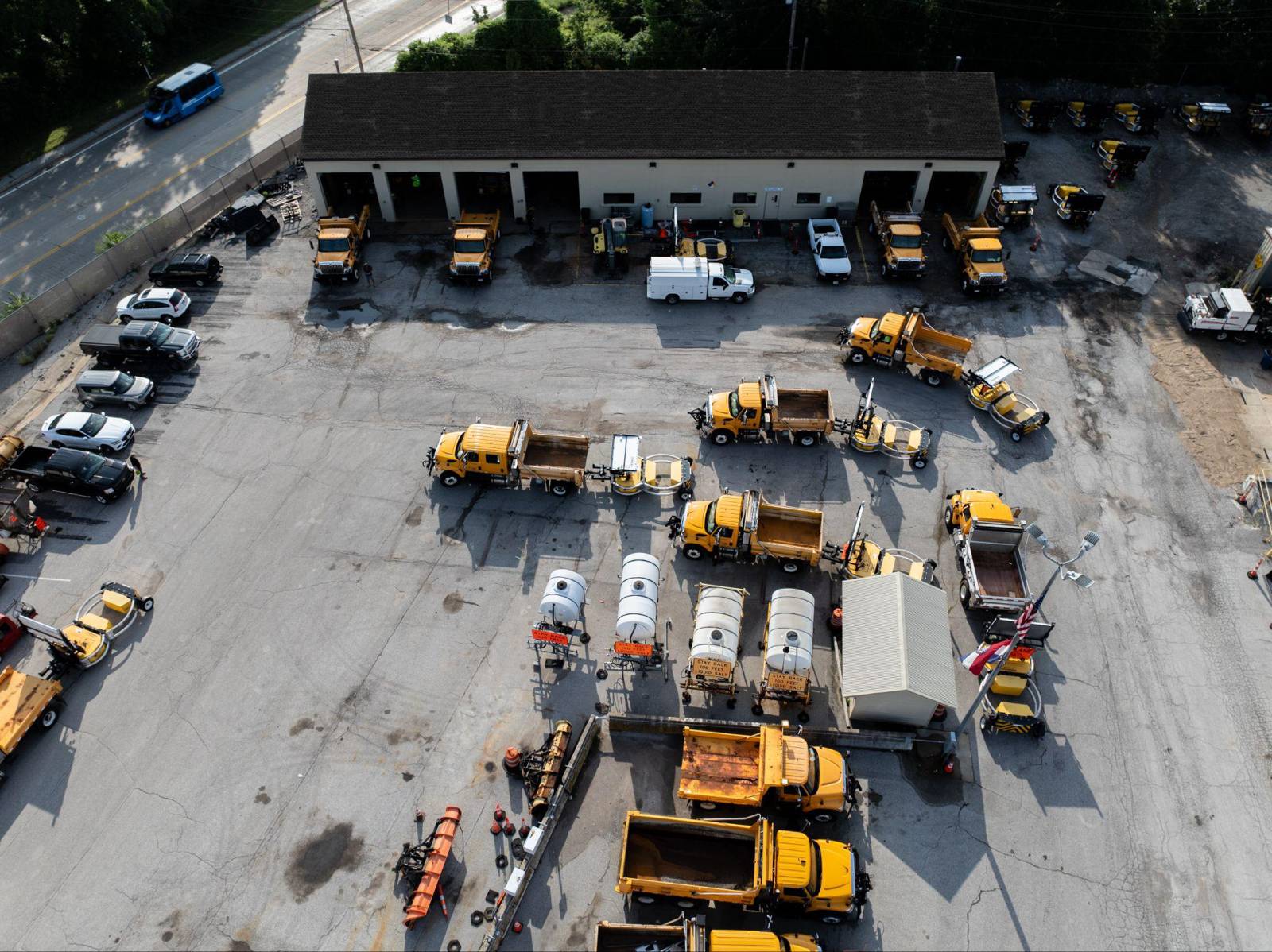
The near-miss clips coming back from the field are the proof. A tractor-trailer closing on an attenuator truck in daylight. A vehicle passing an active scene at 2:39 in the morning in rain. In each case the system tracked the approach on radar and video, fired lights and horn at the tuned threshold, and saved the clip. The strike didn't happen.
Those clips do something else, too. They tell MoDOT which zones, times of day, and setups produce the most close calls, which feeds the design of the next closure. We covered that data side in our earlier post on AI-powered work zone safety for attenuator trucks.
What began as one agency's question is now scaling. In June 2026, Valtir and Omnisight announced an exclusive strategic alliance making Valtir the North American provider of FusionBLADE for truck- and trailer-mounted attenuator applications. That puts the system in the same channel agencies and contractors already buy TMAs from.
Pilots are underway on pavers, supervisor pickups, and safety service patrol vehicles. New alert channels, including vibrating vests and helmets, are in testing. Longer term, V2X technology could push the warning into the approaching vehicle itself, which is why FHWA's V2X deployment plan singles out work zones as a priority application.
The design philosophy hasn't changed. The people who work in the zone know the problem better than any vendor does. FusionBLADE exists because one of them asked, and kept asking.
The impact shouldn't be the warning.
Want to understand what these systems do and what the rules require? Read our guide to work zone intrusion alarm systems, or visit the FusionBLADE page. Built and assembled in Charleston, South Carolina. Learn more about Omnisight.
Subscribe to The Edge Brief for monthly field notes, deployment stories, and product updates.
Subscribe →