
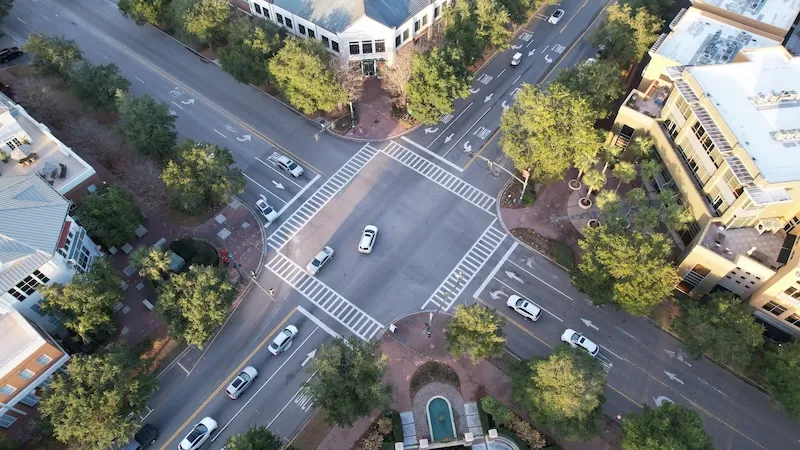
Automatic Incident Detection
Catching stalled vehicles, debris, wrong-way drivers, and perimeter breaches across highways, tunnels, and secure zones with sub-second alerts to TMCs, tunnel control rooms, and security teams.
Incident Response Gaps
Slow reporting, false alarms, and weather-blind cameras leave traffic management centers reacting to crashes minutes after they happen, when every second determines whether a stall becomes a secondary collision.
Most highway incidents are still reported by 911 calls and patrol sightings, leaving traffic management centers minutes behind the crash. Every minute of delayed incident response raises congestion costs and the odds of a secondary collision.
Legacy AID systems trigger on shadows, weather, and camera glare, flooding operators with false positives. When alerts can't be trusted, real stalled vehicles and wrong-way drivers get ignored until it's too late.
Video-only incident detection degrades at night and in fog, rain, and sun glare, exactly the conditions when crash risk spikes. Highways need all-weather detection that never loses sight of the roadway.
Loop detectors and spot sensors only see fragments of the corridor, so debris, breakdowns, and pedestrians in blind zones go unnoticed. Gaps in real-time incident detection mean hazards linger until a driver finds them first.
Proven Highway Deployment
A state DOT needed to stop graffiti on a busy highway bridge overpass where the area was poorly lit and cameras alone couldn't reliably see who was entering the structure. Omnisight deployed FusionSensor to fuse HD3D radar with AI vision and trigger real-time alerts to authorities the moment someone entered the zone, stopping graffiti before paint hit the surface.
The agency wasn't only worried about the cost of covering up tags. The bigger concern was crew safety. Sending maintenance teams out onto a live, busy highway to repaint the overpass put workers in real danger. Preventing the graffiti in the first place keeps crews off the road and keeps the structure clean.
Learn More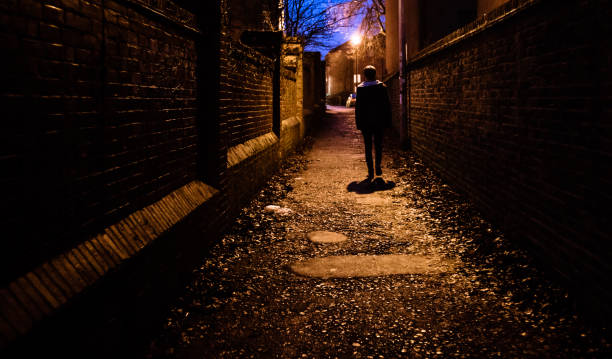
Camera-only systems struggled at this overpass because of poor lighting under and around the bridge. After dark, cameras either missed people entirely or flagged false positives on shadows, animals, and passing headlights. Alarms got muted. Tagging continued.
FusionSensor only fires when AI vision identifies a person in the zone and HD3D radar confirms they're physically present, independent of lighting. Radar sees through darkness and weather; vision adds object-class confidence. Together they trigger real-time alerts to law enforcement the moment a tagger enters the scene, before any paint comes out.
AI Incident Detection
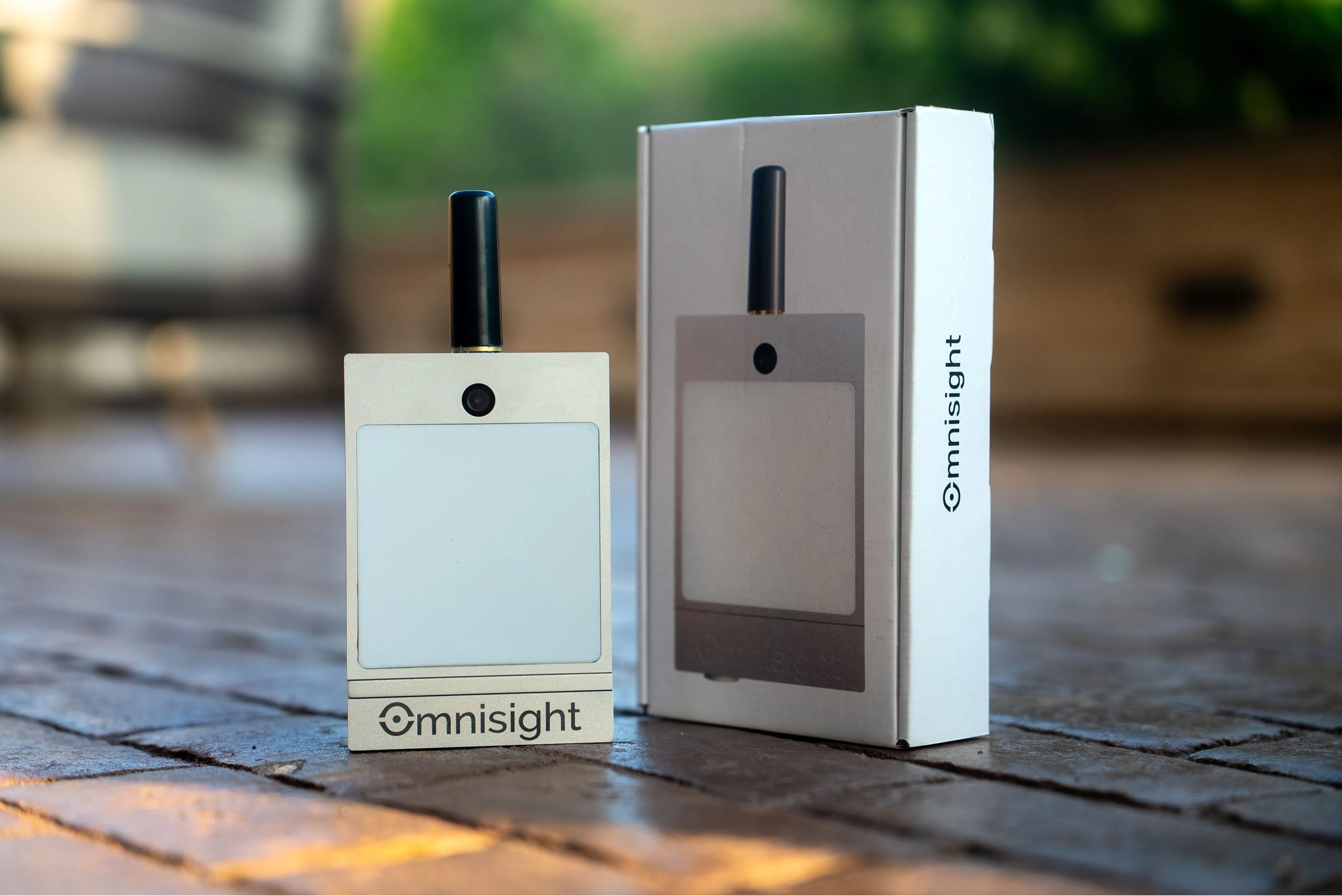
Radar-video fusion, edge AI, and flexible integration handle the full spectrum of incidents, from stalled vehicles to perimeter breaches, across highways, tunnels, and secure zones.
Trained to identify vehicles, pedestrians, cyclists, debris, lawn mowers, and wildlife. The FusionSensor can distinguish a stalled car from a slow-moving truck. Only real incidents escalate.
Delivers alerts without relying on cloud connection. FusionSensor processes everything on the unit itself, so detections fire instantly and continue working even when network connectivity drops out.
One sensor, multiple integrations. Trigger VMS, push alerts to ATMS, fire dry contacts to tunnel control, or notify security via API, no rip-and-replace required.
Monitor multiple high-risk zones with a single unit. One sensor covers a wide area: underpasses, walls, transit platforms, and rail yards, replacing scattered cameras with one fused detector.
Real-Time Traffic Alerts
Static cameras and human operators can't catch every incident in real time. FusionSensor turns reactive monitoring into predictive response, surfacing incidents the instant they begin.
The Problem
Camera-only AID struggles at night and in bad weather. Radar-only systems trip on small animals, blowing debris, and wind, flooding operators with false alerts. Either way, single-mode detection puts the burden on humans to filter the noise, and real incidents slip through.
The Insight
HD3D radar pairs with AI vision on the sensor and in the cloud, recognizing incidents the moment they begin and surfacing them to TMC dashboards in real time, even through fog, rain, and total darkness.
The Shift
Instead of waiting for an operator to catch an incident on a CCTV feed minutes after it happens, FusionSensor flags the event the instant it begins, pushing a real-time alert to the TMC, tunnel control room, or security team in under a second.
The Result
Over time, the system learns when and where incidents peak, recognizing patterns by time of day, weather, traffic volume, and location so operators can pre-position response resources before the next event occurs.
WHY IT MATTERS
Every second between an incident and an operator notification compounds the risk, for drivers approaching, for crews responding, and for the agency paying for the downstream delay.
Roughly 1 in 5 highway crashes is a secondary crash caused by the backup from the first incident.
Every minute a lane stays blocked causes roughly 4 minutes of downstream traffic delay. Faster detection means faster clearance, and far fewer tailbacks.
Real-time alerts let response teams dispatch with TMA protection in place, keeping maintenance and first responder crews safer when they roll onto live highways.
FusionSensor brings highway AID, tunnel monitoring, bridge surveillance, and perimeter detection into one platform. Whether you run a TMC, manage a tunnel control room, or operate a secure facility, you can detect incidents in under a second and act before things escalate.
Incident detection is the process of identifying roadway events (stalled vehicles, debris, wrong-way drivers, pedestrians on freeway) and security events like perimeter breaches the moment they happen. The faster these events reach an operator, the smaller their downstream impact on traffic, crews, and the public.
Camera-only AID struggles at night, in fog, in heavy rain, and in glare conditions, exactly when incidents are most dangerous. FusionSensor pairs HD3D radar with AI vision and only fires an alert when both signals agree, so false positives drop to near zero and detection works 24/7 in any weather.
Highways, arterials, bridges, tunnel approaches and exits, urban corridors, work zones, school zones, transit yards, and any secure perimeter. One sensor covers a wide area with a 120 degree field of view. Mount it high on the structure to minimize occlusion and keep clear line-of-sight across the full scene.
FusionSensor only fires when AI vision identifies an object class (vehicle, pedestrian, cyclist, debris) AND HD3D radar confirms its position and behavior. Both signals must agree. We also train the model on your specific site over the first few weeks, learning what's normal and tuning thresholds with your operators.
Yes. FusionSensor pushes alerts via NTCIP for ATMS platforms, SDLC for NEMA TS2 controllers, contact closure for legacy NEMA TS1 cabinets and tunnel control rooms, and REST API for modern cloud-native platforms and security teams. Deploy without ripping out existing infrastructure.
Each FusionSensor installs in under an hour on poles, rooftops, or light masts. It weighs 1.72 pounds, uses 12 to 15 watts average over PoE 802.3at or 802.3bt, and carries IP66 and NEMA 4 ratings for outdoor deployment in any climate.
AID is technology that identifies crashes, stalled vehicles, debris, and other hazards on the roadway without waiting for a 911 call or an operator watching a camera feed. Modern AID uses sensors and AI to flag the event the moment it begins and alert the traffic management center.
AI models classify what is on the road (a stalled car versus a slow truck, debris versus a shadow) while radar confirms position and movement. When the fused reading matches an incident pattern, the alert fires; benign activity never escalates.
A secondary crash is a collision caused by the queue or distraction from an earlier incident, and roughly one in five highway crashes falls in this category. The prevention lever is speed of detection: the faster the first incident is found and cleared, the smaller the window for the second one.
Tunnels are hard for camera-only systems because of low light, glare at portals, and dust. Radar paired with AI vision keeps detecting through those conditions and can fire dry contacts directly to tunnel control systems, so alerts work even where network connectivity is limited.
The benchmark worth holding vendors to is under one second from event to alert. Traditional discovery by 911 call or CCTV scanning takes minutes, and every minute of delay raises congestion costs and the odds of a secondary collision.