
Smart Parking Systems
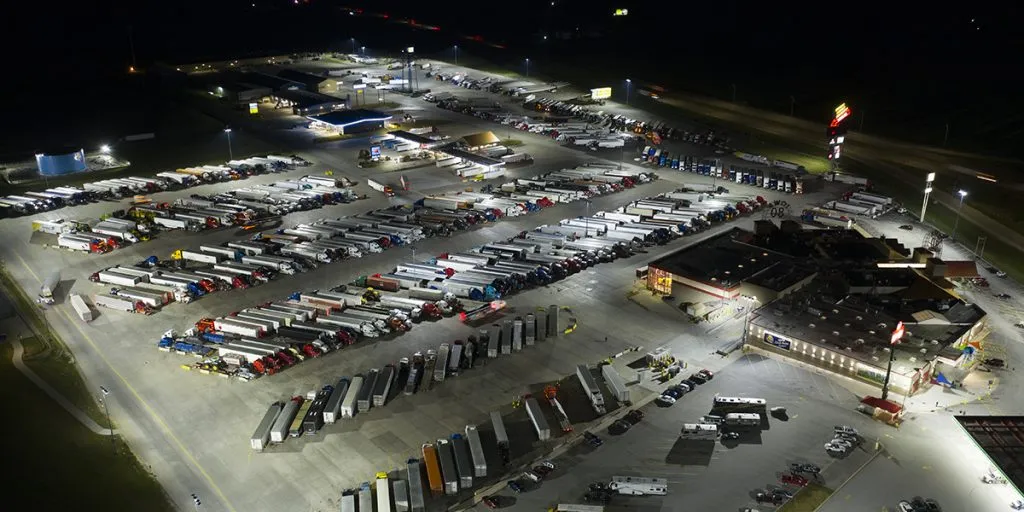
Omnisight supports parking management by offering tracking in and out counts and classifying vehicles in real time or through spot specific occupancy.
Real-time truck parking availability, occupancy, and vehicle detection for rest areas, truck stops, and freight corridors.
Parking Lot Blind Spots
Parking data across North America still depends on manual counts, single loop detectors, and outdated sensors. Transportation departments, lot operators, and event venues need smarter systems that track occupancy in real time, handle truck parking across long corridors, and stay accurate through every weather condition.
Commercial drivers spend up to an hour every day searching for legal truck parking, eating into federally mandated Hours of Service. Without real time visibility into rest area capacity, lots stay overcrowded while spaces sit empty just miles away. The result: unsafe shoulder parking, HOS violations, and the FHWA estimating tens of thousands of additional truck parking spaces needed across the U.S. interstate system.
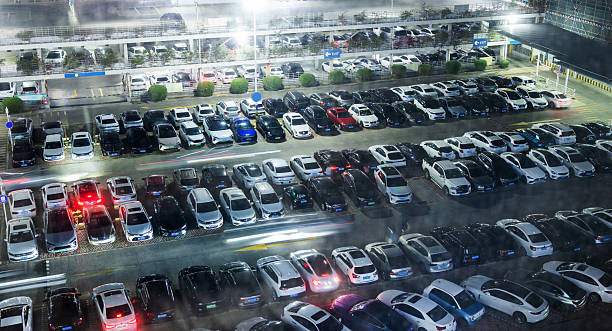
Stadium and venue parking peaks in minutes and clears just as fast. Single loop detectors and manual ticket counters cannot keep up with sudden inbound surges, leading to traffic backups on surrounding streets, frustrated attendees, and overflow parking spilling into adjacent neighborhoods. Operators need real time event parking data to open auxiliary lots, redirect drivers, and measure throughput across thousands of vehicles per hour.
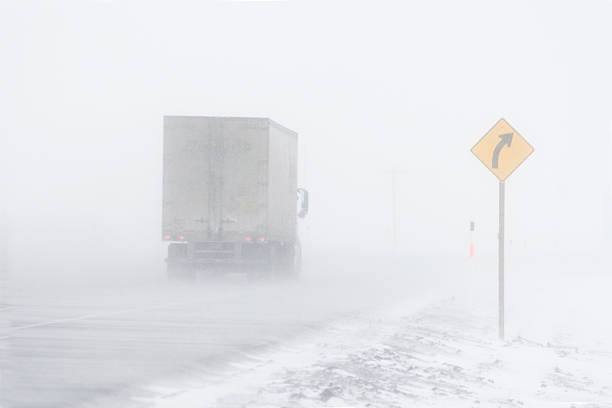
Legacy parking cameras, magnetometers, and inductive loop systems fail in snow, heavy rain, fog, and low light. Lot managers and DOT operators lose accurate occupancy data exactly when drivers need it most: during winter storms, overnight rest area stops, and severe weather events. All weather radar based parking sensors maintain detection through every climate, eliminating data gaps and dead zones in critical truck parking corridors.
Parking counts sit in one platform, dynamic message signs run on another, and traffic operations centers see neither. Cities, DOTs, and freight corridor operators need real time parking data streaming directly to message boards, driver apps, and traffic management platforms in NTCIP, SDLC, MS2, JSON, or XML, without middleware, manual reconciliation, or proprietary lock in. Open standards parking integration is the only path to corridor wide visibility.
Proven Parking Deployments
Omnisight FusionSensors are deployed along the I 10 corridor in New Mexico, helping NMDOT monitor truck parking availability at rest areas across long stretches of highway where commercial drivers need it most.
Real time capacity feeds dynamic message signs along the interstate, reducing illegal shoulder parking, making the corridor safer for everyone moving freight through the Southwest, and keeping trucks compliant with federal hours of service rules.
Watch Here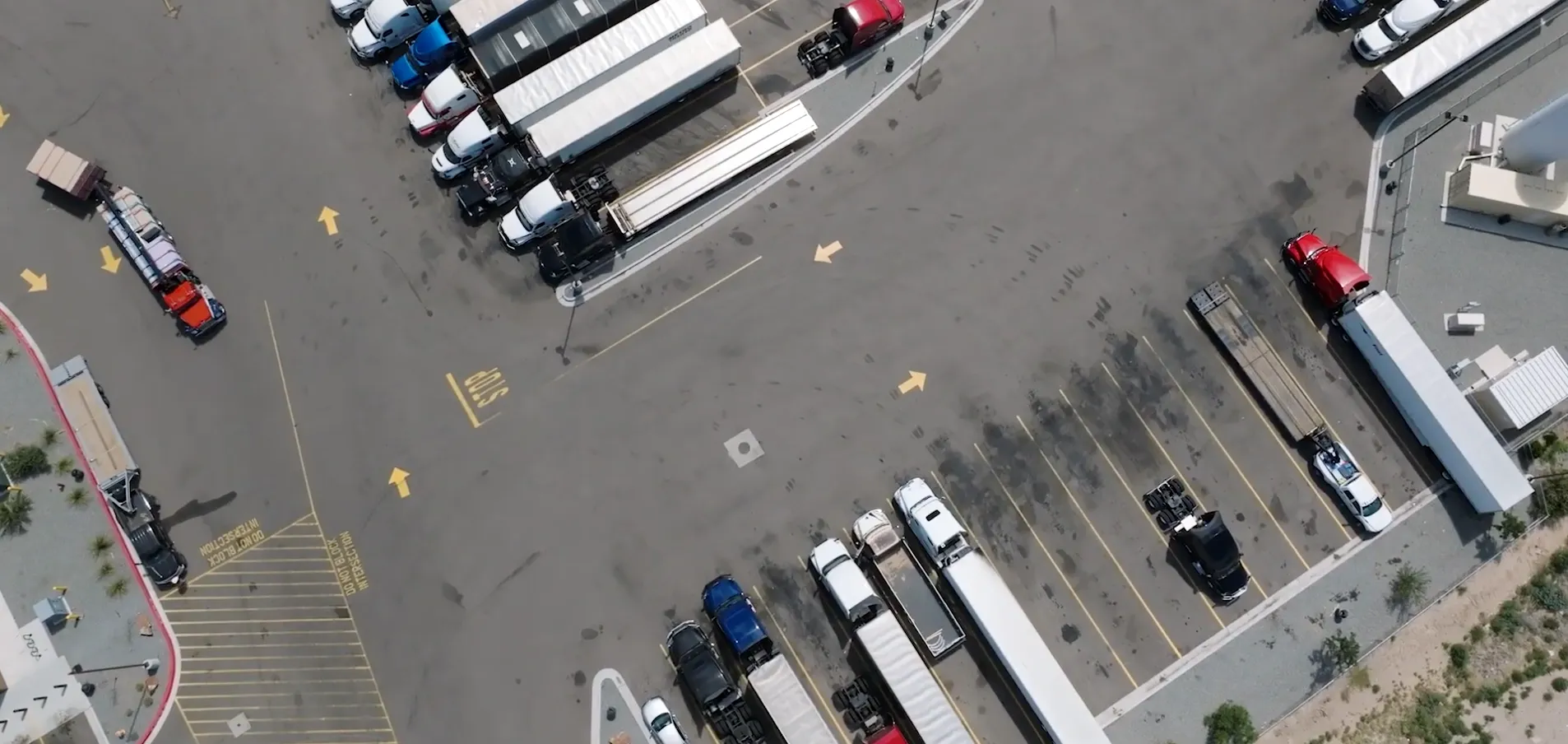
Omnisight was born from a truck parking pilot in Colorado, where operators needed reliable counts through winters that buried traditional cameras and loop detectors in snow.
During pilot testing, every available sensor technology was benchmarked against the harshest mountain winter conditions. Only HD3D radar fused with HD AI video could simultaneously withstand whiteout snow, fog, and freezing rain while delivering 98%+ classification accuracy across cars, trucks, and trailers when cameras and loop detectors went blind. Every FusionSensor today is engineered around those Colorado learnings, running through blizzards, freezing rain, and minus 30 degree Celsius mornings without losing accuracy or going offline, so parking data keeps flowing when commercial drivers need it most.
Occupancy Detection Technology
Purpose built for highway rest areas, city lots, and event venues, the FusionSensor platform delivers capabilities that legacy cameras, loops, and magnetometers simply cannot match.
FusionSensor processes parking lot occupancy 20 times per second on the device edge, tracking every entry and exit in real time. Driver apps, dynamic message signs, and parking guidance platforms get live capacity the moment a vehicle arrives or leaves, with no cloud delay or backend round trip.
Truck parking spaces needed
Parking never stops, and neither does FusionSensor. HD3D radar based detection operates around the clock through overnight truck parking stops, red eye event arrivals, and continuous lot monitoring at city garages, airport hubs, and freight corridor rest areas without dropping a single count.
Rain, fog, snow, and direct sunlight that blind parking cameras and confuse LiDAR are handled seamlessly by the FusionSensor radar first architecture. Engineered in a Colorado truck parking pilot through blizzard conditions, IP66 / NEMA 4 rated, and tested from minus 30 to plus 75 Celsius.
Parking Occupancy Data
From manual counts and static signs to predictive occupancy, how continuous parking data cuts search times and keeps trucks moving.
The Problem
Pneumatic tube counts, staff walk throughs, and single loop detectors only sample truck parking and lot occupancy a few times a year. DOT planners and lot managers build annual capacity plans on stale data that expires the moment freight volume, weather, or event traffic shifts the demand curve.
The Insight
The Omnisight FusionSensor fuses HD3D radar and AI HD video 20 times per second directly on device using TrueEdge processing. Every car, truck, trailer, and oversized vehicle is detected, classified, and timestamped at sub second latency without cloud round trips, monthly fees, or per camera licensing.
The Shift
Live parking occupancy streams to dynamic message signs, driver apps, ATMS platforms, and freight broker dashboards in NTCIP, SDLC, MS2, JSON, or XML. Truck drivers see open rest area spaces miles before they exit. Event lots fill from the edges in. Cities recapture lost meter revenue.
The Result
Fewer illegal shoulder parks, faster event venue clear outs, and multi year historic occupancy trends that inform expansion planning, dynamic pricing, staffing, and infrastructure investments across every lot, garage, and rest area in the corridor network.
Smart Parking Impact
Commercial drivers lose hours every day searching for legal parking. Lots sit empty while others overflow. The result is unsafe shoulder parking, HOS violations, and preventable crashes across America's freight corridors.
Commercial drivers waste up to an hour every shift circling for legal truck parking, eating into federally mandated Hours of Service and forcing unsafe shoulder parking across the U.S. interstate system. Real time truck parking data from connected rest areas and freight corridors directly reduces HOS violations, crashes, and supply chain delays.
The Federal Highway Administration estimates the nation needs more than 40,000 additional truck parking spaces to meet long haul freight demand. Until that infrastructure exists, real time visibility into existing capacity is the highest leverage investment a DOT, MPO, or freight corridor operator can make in safety, efficiency, and supply chain reliability.
See how Omnisight FusionSensor delivers real time parking intelligence from truck corridors to event venues and city lots. One device, every weather, every vehicle counted.
FusionSensor tracks every vehicle entering and exiting a parking lot using fused HD3D radar and AI video. It classifies cars, trucks, and trailers separately, then streams real time occupancy to dashboards, dynamic message signs, and driver apps without cloud delay.
Yes. Omnisight FusionSensors are deployed along the I 10 corridor in New Mexico with NMDOT, monitoring truck parking capacity at rest areas and feeding real time availability to dynamic message signs so drivers can plan HOS compliant breaks without circling lots.
FusionSensor was born from a truck parking pilot in Colorado and engineered for blizzards. HD3D radar continues detecting when cameras and loops fail, keeping counts accurate through snow, freezing rain, fog, and temperatures from minus 30 to plus 75 Celsius.
Yes. FusionSensor handles high volume event parking by counting entries and exits from lots and garages up to 6 lanes wide. Venue operators use live occupancy and throughput data to adjust staffing, open overflow lots, and guide arriving vehicles faster.
FusionSensor streams counts in standard formats including NTCIP, SDLC, MS2, JSON, XML, and binary over 100BaseT Ethernet, CAT6 PoE, or 4G and 5G LTE. That drops into dynamic message signs, driver apps, revenue systems, and parking guidance platforms with no cloud dependency.
Each FusionSensor installs in under an hour on poles, rooftops, or light masts. It weighs 1.72 pounds, uses 12 to 15 watts average over PoE 802.3at or 802.3bt, and carries IP66 and NEMA 4 ratings for outdoor deployment in any climate.
A system that tracks how many spaces are occupied and available in real time, using sensors that watch entries, exits, or the spaces themselves. The occupancy feed drives signs, apps, and management platforms so drivers stop circling and operators see utilization.
Two approaches: counting every vehicle in and out at access points, or watching specific spaces for occupancy. FusionSensor does both, using radar and AI vision to detect, classify, and timestamp every vehicle in every weather condition.
Smart parking connects live occupancy data to the things drivers actually see: dynamic signs, mobile apps, and guidance systems. The lot reports its own availability continuously instead of drivers discovering it row by row.
By killing the search. A meaningful share of urban congestion is drivers circling for parking, and real-time availability pushed to signs and apps routes them straight to open spaces, cutting circling, emissions, and frustration.
Over open standards. FusionSensor publishes occupancy in NTCIP, SDLC, MS2, JSON, and XML, so dynamic message signs, driver apps, and parking platforms consume the feed directly without proprietary middleware.