
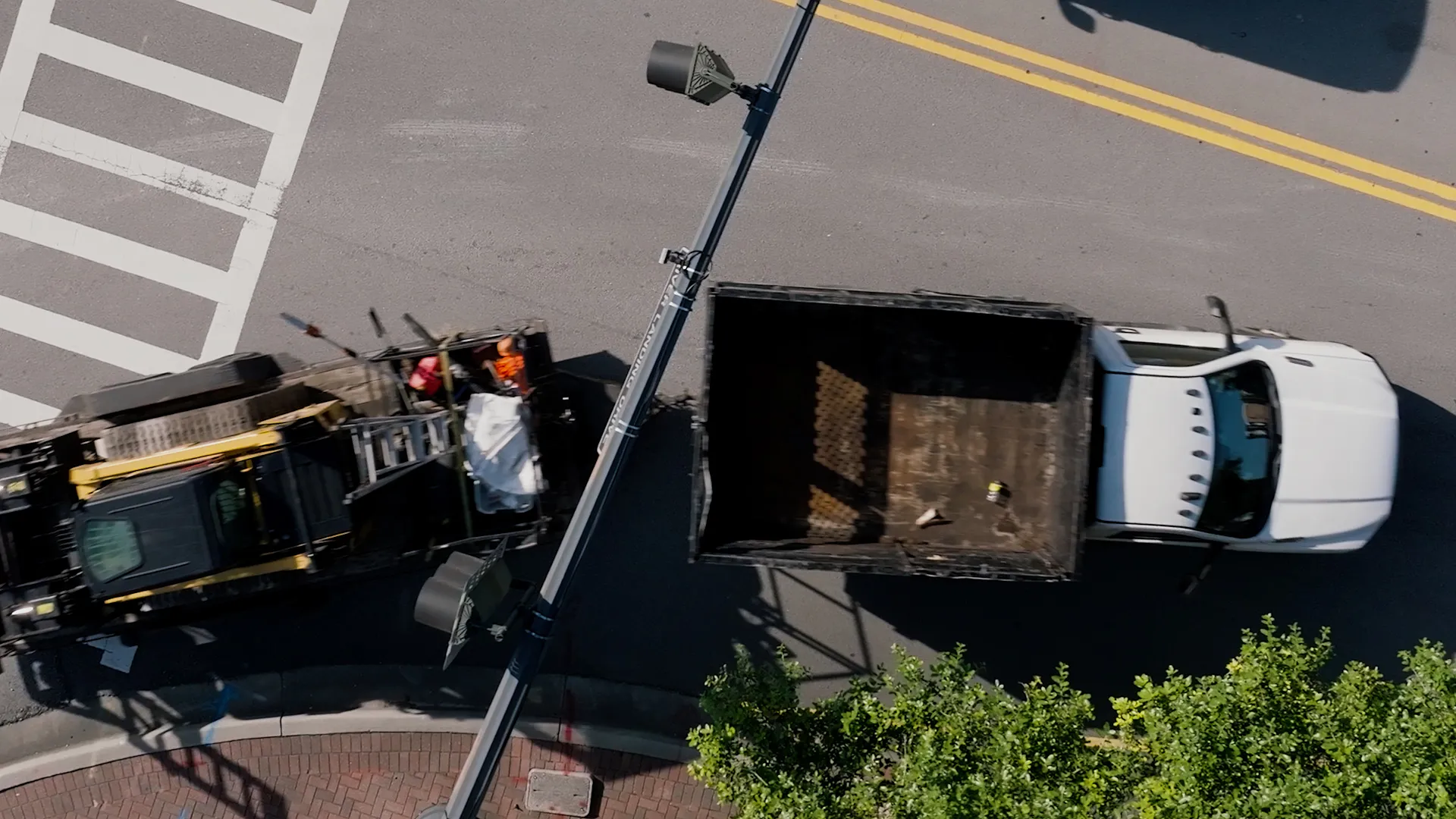
Wrong-Way Detection Systems
AI wrong-way driver detection that triggers existing ramp warning signs in real time. False positives eliminated. Proven on a turnpike exit ramp.
Wrong-Way Crash Risks
Detecting wrong-way drivers in real time is one of the toughest problems in roadway safety. Single-sensor systems either flood operators with false alarms or miss real threats. Here is why.
Shadows, headlights, weather, and even passing animals trip camera-only wrong-way systems. False alerts erode operator trust until the alarms get muted or ignored.
Radar sees motion but not what is moving. A lawn mower, cyclist, or wildlife can fire a wrong-way alert. Without object identification, every alarm has to be manually verified.
By the time a system pings dispatch and an operator verifies, the wrong-way driver is already a mile down the wrong lane. Seconds matter more than minutes.
Wrong-way drivers are often impaired or disoriented. They need a flashing in-the-moment signal at the ramp, not a phone call or DMS message miles downstream.
Proven Ramp Deployment
When a turnpike exit ramp needed wrong-way detection that actually worked, Omnisight deployed FusionSensor to fuse HD3D radar with AI vision and trigger the existing ramp warning signs in real time.
Camera-only and radar-only systems had been flagging lawn mowers and shadows as wrong-way vehicles. FusionSensor brought false positives to zero by only triggering when both sensors agreed on object class and direction.
Watch Here
Before FusionSensor, the ramp had been instrumented with separate camera and radar wrong-way detectors. Both flagged false positives constantly. Operators stopped trusting the alarms and started muting them.
FusionSensor only fires when AI vision identifies a vehicle and HD3D radar confirms it is moving the wrong direction. Both signals must agree. Lawn mowers, shadows, and wildlife stopped triggering alerts overnight.
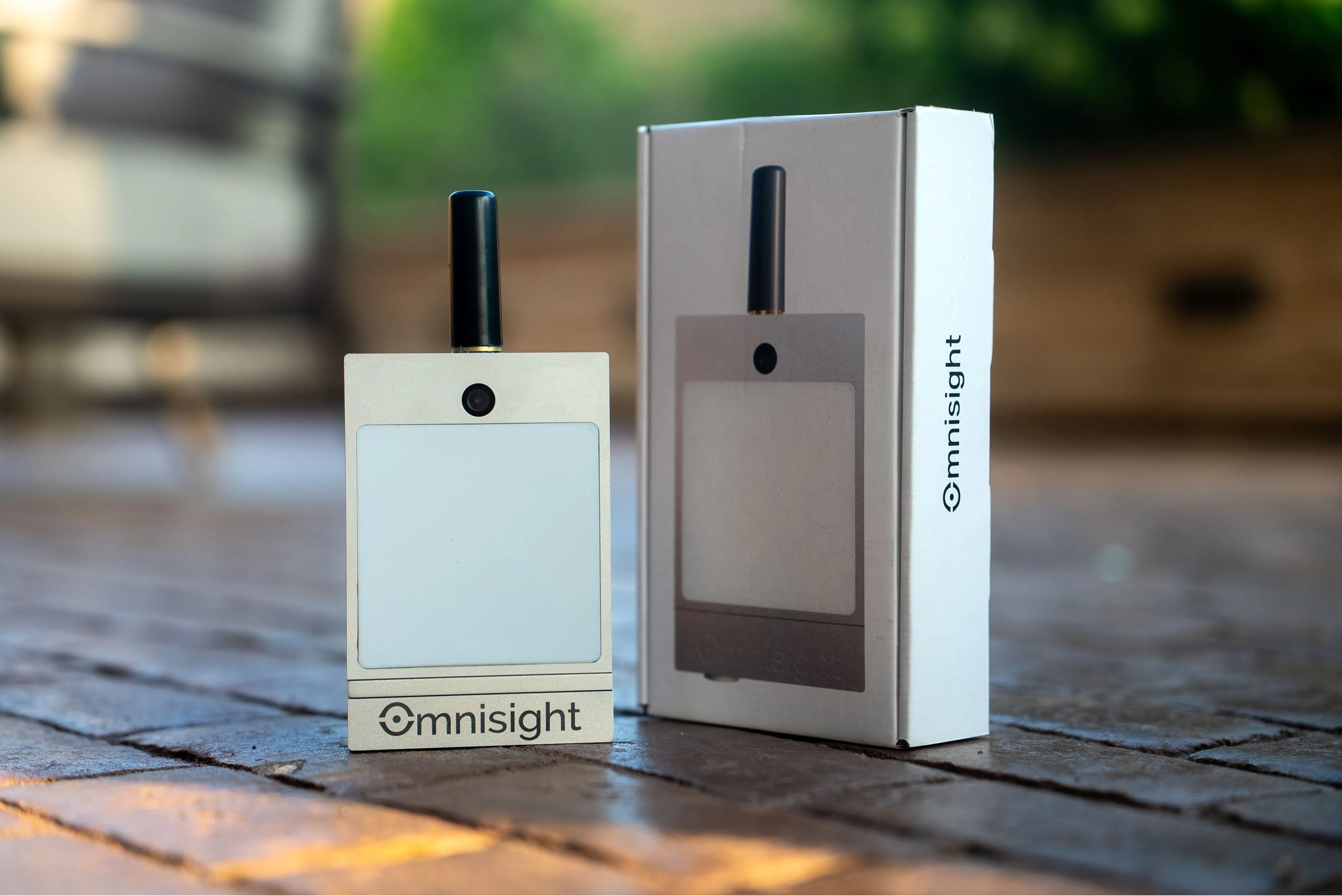
Radar and AI Detection
AI vision identifies the object. HD3D radar confirms the direction. Only when both agree does an alert fire, and the existing ramp sign flashes within 500 milliseconds.
Computer vision identifies what is on the ramp. Vehicle, cyclist, lawn mower, or wildlife. Only real vehicles escalate. Lawn mowers and pedestrians never trigger an alert.
Doppler radar confirms direction of travel through fog, rain, snow, and darkness. The sensor knows whether a vehicle is descending the ramp correctly or driving up the wrong way.
FusionSensor only triggers when vision and radar agree. Cameras alone trip on shadows. Radar alone trips on mowers. Fusion gives operators confidence to act.
Detection to sign trigger in under 500 milliseconds. The sensor connects to existing wrong-way signs via Contact Closure, NTCIP, or SDLC. No new signage required.
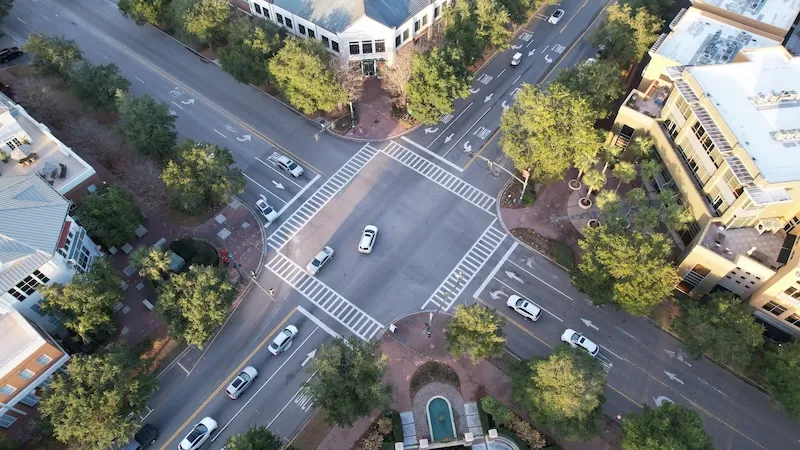
Wrong-Way Driver Alerts
Wrong-way detection used to mean a 911 call after the fact. Sensor fusion turns it into a real-time intervention before the driver makes the turn.
The Problem
Camera-only systems trip on shadows and weather. Radar-only systems flag every moving object. Operators stop trusting the alarms.
The Insight
Combining HD3D radar with AI vision creates a verification layer. Both sensors must agree on object class and direction before an alert fires.
The Shift
The sensor speaks directly to existing wrong-way signs over Contact Closure, NTCIP, or SDLC. A flashing sign in the driver's face within 500ms.
The Result
On the turnpike exit ramp every alert has been a real wrong-way vehicle. Operators trust the system. Drivers see the warning before they make the turn.
Highway Safety Impact
Wrong-way driving causes roughly 400 fatalities every year in the US. These crashes are predominantly head-on collisions at highway speeds. Survivability is near zero. The window to intervene is measured in seconds.
NHTSA data shows wrong-way driving causes 300 to 500 deaths per year. Most are head-on collisions on freeway off-ramps and divided highways at full highway speed.
Wrong-way crashes are 9 times more likely to result in a fatality than other types of highway crashes, according to NHTSA studies of US freeway collisions.
See how FusionSensor catches wrong-way drivers before they make the turn and triggers your existing ramp signs in under 500 milliseconds.
FusionSensor combines AI vision (which identifies the object class) with HD3D radar (which confirms direction of travel). Both sensors must agree before any alert fires. During deployment, Omnisight engineers train and tune the model against real flagged events together with your operator team, classifying each detection and labeling any misclassifications. The system gets sharper over time as it learns the specific patterns of your site.
Camera-only systems trip on shadows, headlights, weather, and animals. Radar-only systems flag any moving object including lawn mowers, cyclists, and wildlife. Without sensor fusion, operators get flooded with false alarms and eventually mute or ignore the system.
Yes. The sensor speaks Contact Closure, NTCIP, and SDLC, allowing it to trigger existing wrong-way warning signs and DMS boards directly. No replacement signage required, and no new ATMS integration project needed.
Detection to sign activation latency is under 500 milliseconds end to end. The driver sees the flashing warning before completing the wrong turn, which is when intervention actually matters.
Omnisight engineers work directly with your operations team after installation. We review every alert together in the first weeks, label any misclassifications, and adjust fusion thresholds collaboratively to your site. Your operators stay in the loop the entire time, and the model continuously improves as it learns the specific traffic patterns of your ramp or interchange. This shared review process is what builds operator trust in every alert.
Each FusionSensor installs in under an hour on poles, rooftops, or light masts. It weighs 1.72 pounds, uses 12 to 15 watts average over PoE 802.3at or 802.3bt, and carries IP66 and NEMA 4 ratings for outdoor deployment in any climate.
A WWVDS is roadside technology that identifies a vehicle entering a highway against traffic, usually on an exit ramp, and triggers warnings in real time. Modern systems pair the detection sensor with flashing wrong-way signs and TMC alerts so the driver is warned before reaching the mainline.
Radar measures each vehicle's direction of travel while AI vision confirms the object is actually a vehicle. When both agree the movement is wrong-way, the system activates ramp warning signs and notifies operators, all within about half a second.
Mostly on freeway exit ramps and divided highways, and disproportionately at night. NHTSA data attributes 300 to 500 deaths per year to wrong-way driving in the US, which is why detection at the ramp entrance is the critical intervention point.
Cost depends on the number of ramps, the signage already in place, and connectivity. A fused single-sensor approach keeps costs down by reusing existing wrong-way signs over Contact Closure, NTCIP, or SDLC and running on PoE power instead of new electrical service.
Warn the driver at the point of entry, in the first seconds, with a flashing sign directly in their line of sight. Downstream messages and dispatch calls come too late once the driver is on the mainline at highway speed.