
Vulnerable Road User Detection
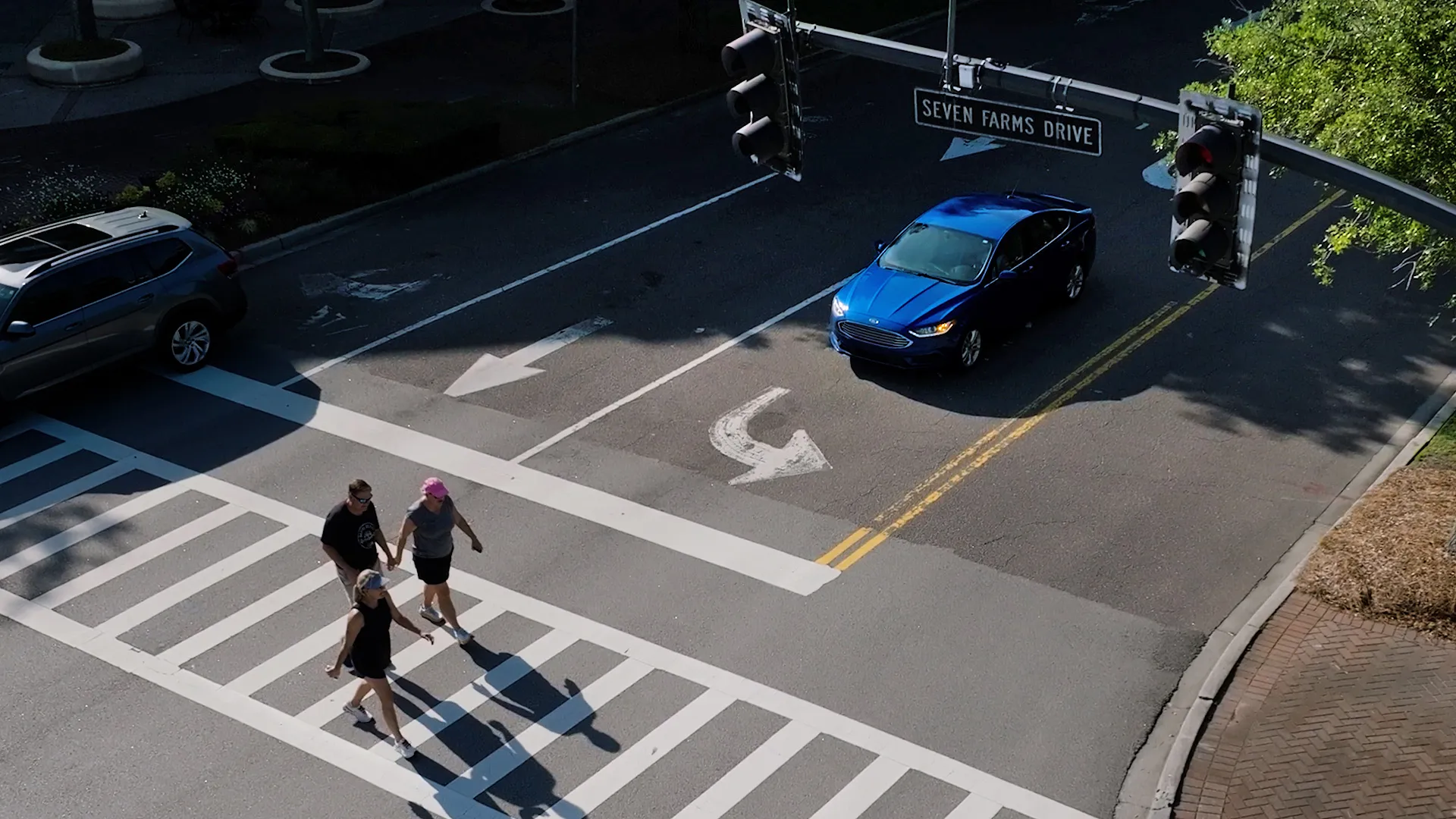
People counting is crucial for enhancing urban mobility and safety within smart cities. By harnessing accurate data, cities can streamline traffic management and refine infrastructure planning, leading to a more efficient and sustainable transportation network aligned with Vision Zero goals.
Pedestrian Safety Gaps
From inaccurate foot traffic data to privacy-risky video analytics, outdated visitor counting systems leave cities, venues, and transit hubs guessing about the crowds they serve.
Legacy people counters and camera-only systems miss visitors in crowds, shadows, and low light, skewing foot traffic analytics. Without accurate pedestrian counting, cities and venues make staffing, safety, and planning decisions on bad data.
Single-sensor setups can't see around corners, entrances, or wide plazas, leaving gaps in real-time occupancy monitoring. Undercounted zones create crowd safety risks and make it impossible to enforce capacity limits with confidence.
Manual tallies and batch reports arrive too late to act on. Without live people counting data, operators can't respond to crowd surges, redirect pedestrian flow, or trigger alerts when density thresholds are crossed.
Facial recognition and video-based visitor tracking raise privacy compliance red flags. Communities need anonymous people counting technology that delivers pedestrian analytics without capturing personally identifiable information.
Pedestrian Data in Action
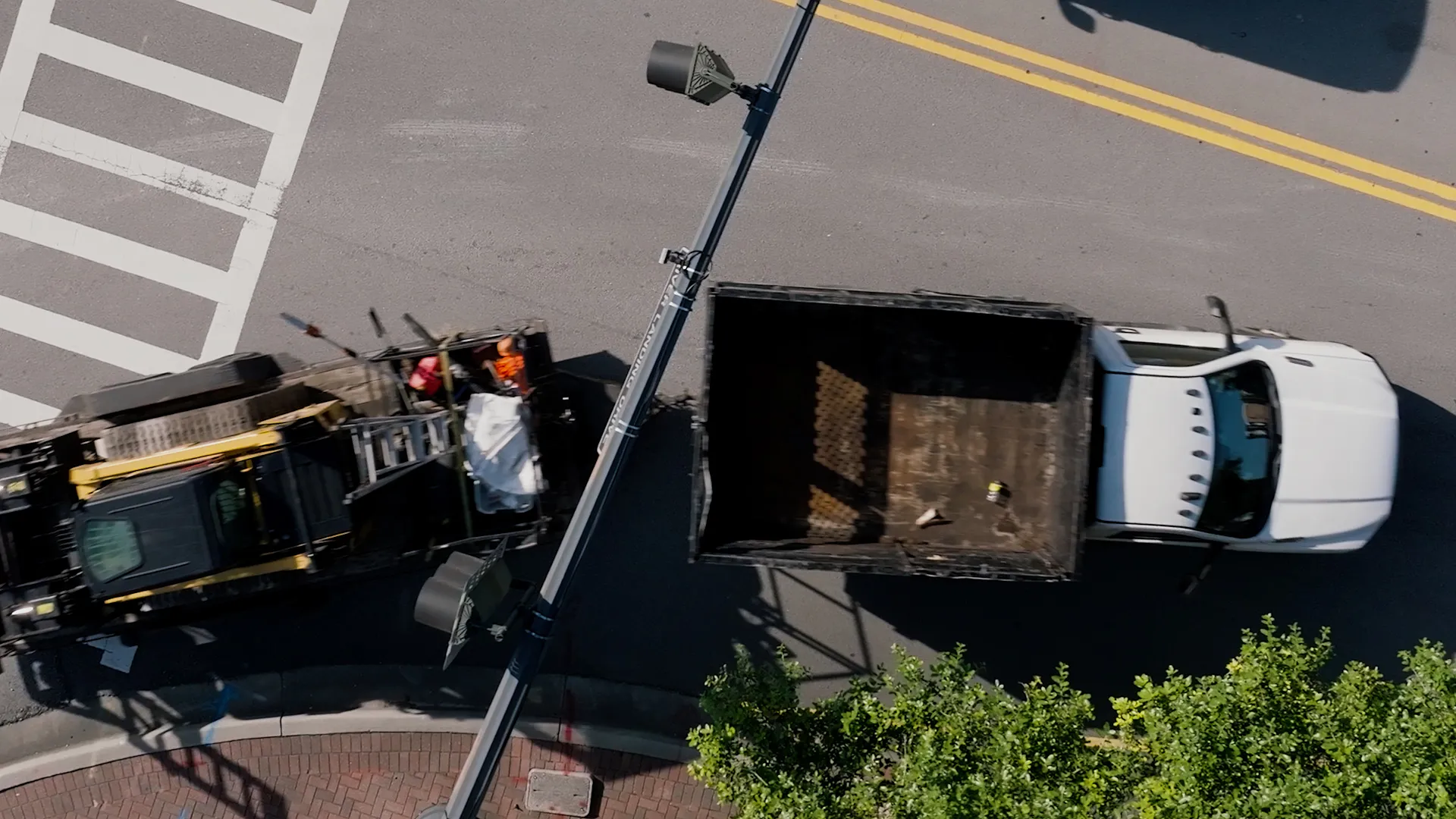
Cities use FusionSensor pedestrian data to design walkable infrastructure, identify high-traffic crossings, and assess the effectiveness of safety measures over time. Continuous, time-stamped data feeds Vision Zero hot-spot analysis and walkable corridor planning.
Targeted safety enhancements like improved crosswalks and adjusted signal timing flow from real movement, not assumptions. Cities reduce pedestrian fatalities and align with Vision Zero initiatives backed by 98.7 percent accurate counts.
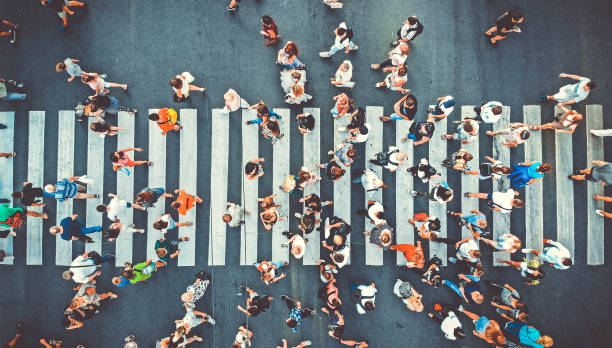
Venues, transit hubs, and public spaces use real-time crowd density tracking to enable quick responses to overcrowded areas. AI-driven sensor fusion delivers reliable counts and flow patterns for efficient management at events and public spaces.
Detection of potential crowd aggregation helps prevent dangerous conditions, supports event coordination, and contributes to shorter travel times and improved mobility across smart city infrastructure.
Pedestrian Detection Technology
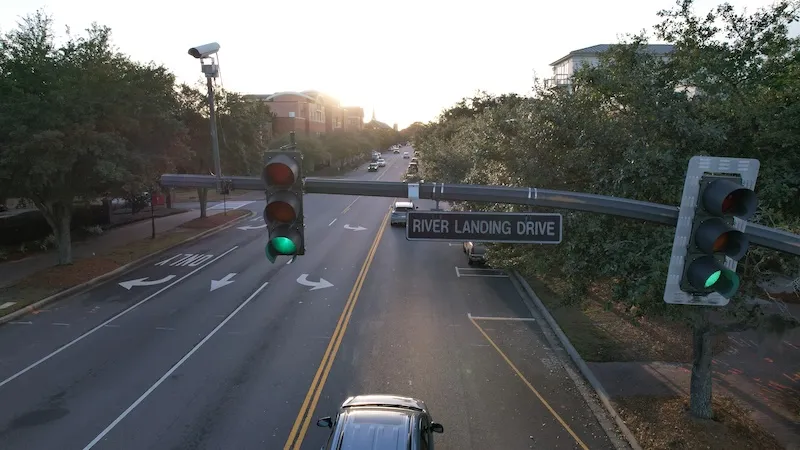
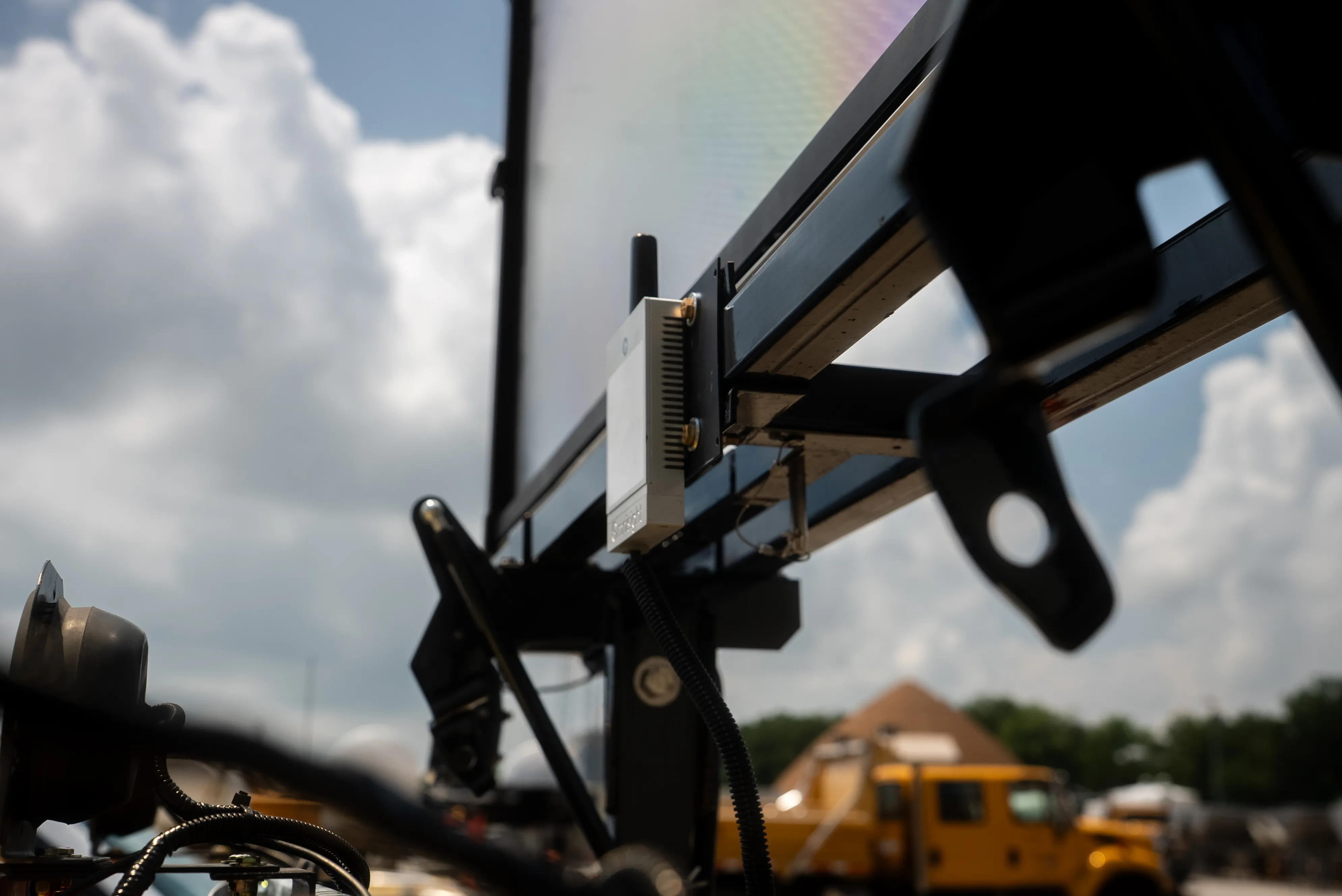
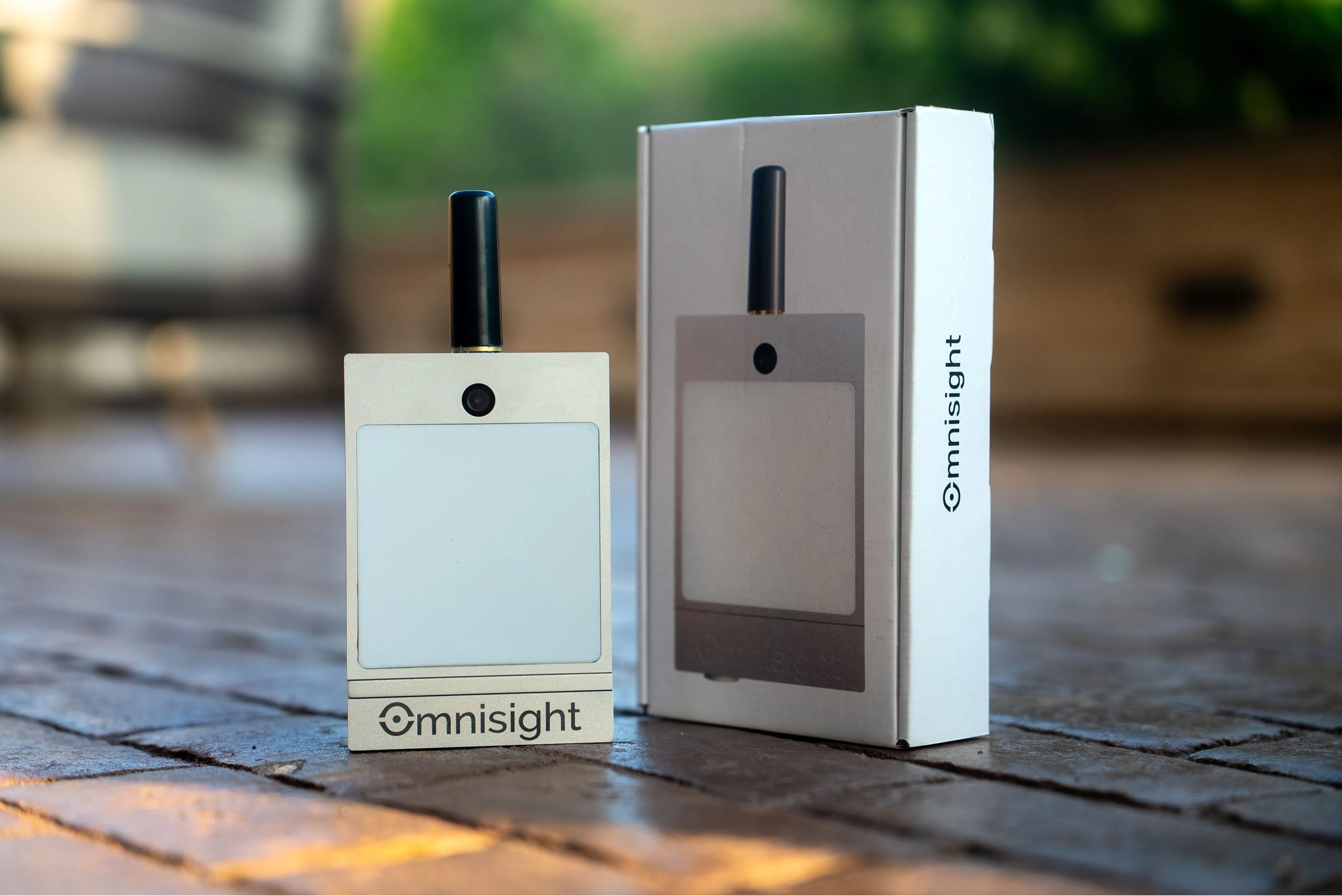
FusionSensor pairs HD3D radar with 1080p AI vision and fuses both on-device through TrueEdge. The result is reliable, real-time data on counts, flow, and patterns, integrated seamlessly with existing infrastructure.
Wide field of view across multiple lanes with depth, speed, and range detection. Operates day or night and through fog, snow, and other weather conditions where cameras alone fall short. 120 degree field of view, up to six lanes, all weather rated.
High resolution video provides classification and visual context, distinguishing pedestrians, cyclists, and vehicles in real time. AI driven sensor fusion captures the full visual scene with multi modal classification at 1080p HD resolution.
Radar and vision are fused on the device 20 times per second through TrueEdge. Counts and classifications run on board with no cloud round trip, no latency, and no privacy data leaving the sensor. Reliable real time data, processed at the edge.
98.7 percent accurate. Outputs in standard formats including JSON, XML, NTCIP, SDLC, and MS2 so data flows directly into existing traffic management infrastructure, signal controllers, dashboards, and Vision Zero platforms without middleware.
FusionSensor doesn't just count. It classifies every road user, watches for overcrowding, fires alerts when capacity is exceeded or unauthorized presence is detected, and streams everything into your systems on-device, 20 times per second.
HD3D radar and 1080p AI vision identify pedestrians, cyclists, and vehicles 20 times per second. Day or night, through fog, snow, and weather where cameras alone fall short. 98.7% accurate across the full field of view.
Continuous, time-stamped counts per zone with multi-modal classification. Density tracking, flow patterns, and movement direction across crosswalks, venues, and corridors. No cloud delay.
Configurable thresholds fire notifications when crowd density exceeds capacity or unauthorized presence is detected in restricted zones. Operations teams get the signal the moment it matters, not minutes later.
Counts, classifications, and alerts stream into ATMS, signal controllers, VMS, security platforms, and notification systems in JSON, XML, NTCIP, SDLC, or MS2. No middleware required.
Pedestrian and Cyclist Data
Pedestrian counts depend on staff walk-throughs, intermittent video studies, and outdated sensors that only sample foot traffic a few times a year. City planners build long-term capacity decisions on stale data that expires the moment events, weather, or development shift the demand curve.
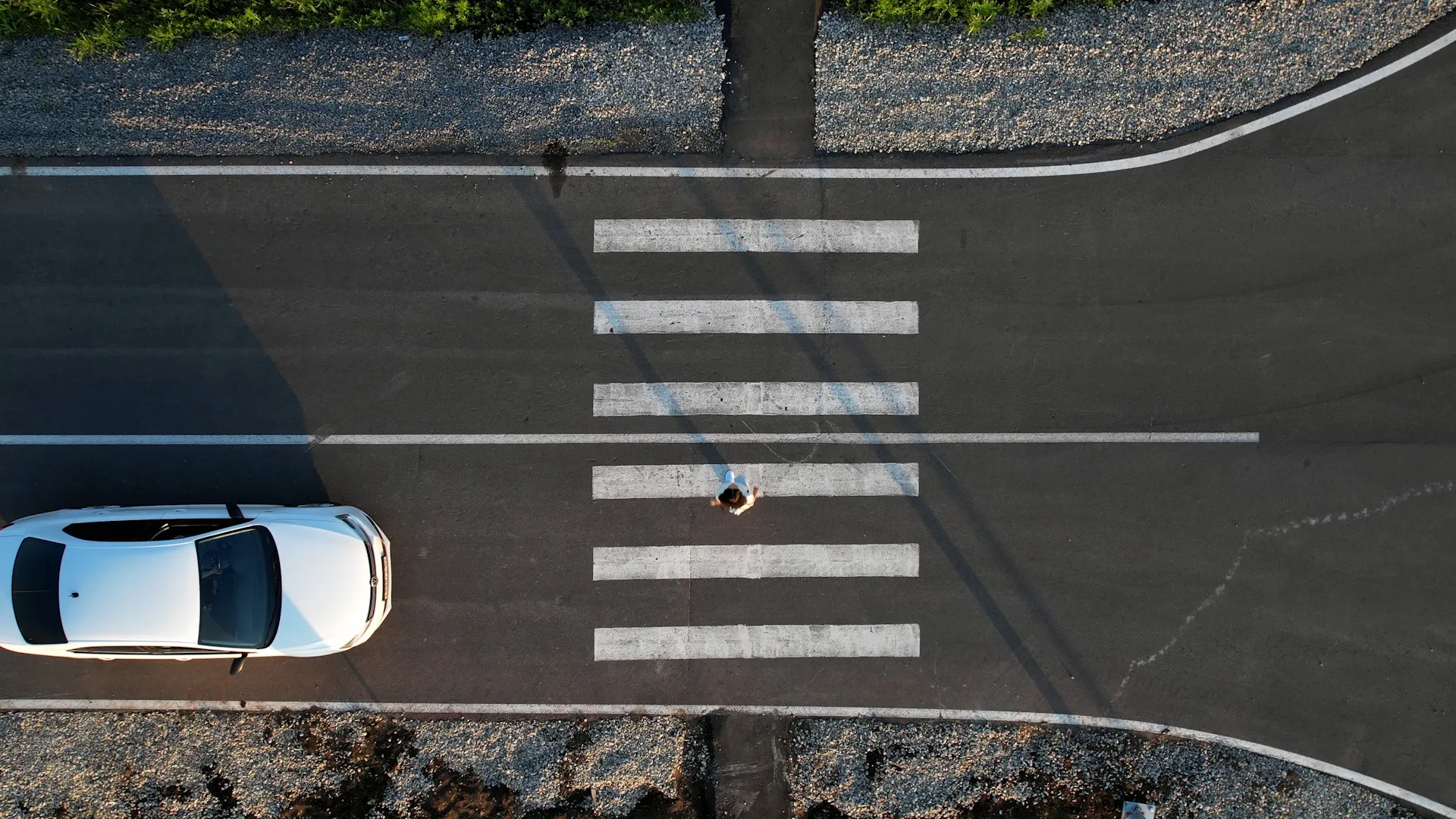
FusionSensor uses AI-driven sensor fusion to precisely monitor movements, providing reliable, real-time data on counts, flow, and patterns at 98.7 percent accuracy.
Pedestrians, cyclists, and vehicles are detected, classified, and time-stamped on the device through TrueEdge processing.
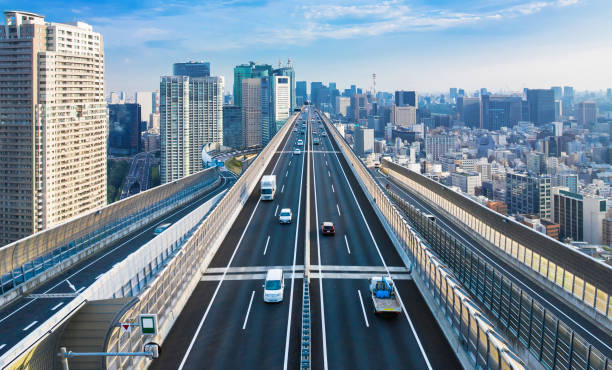
Live counts stream into ATMS platforms, signal controllers, and Vision Zero dashboards in NTCIP, SDLC, MS2, JSON, or XML. Pedestrian patterns aid in adaptive traffic control, reducing delays, optimizing public transit, and supporting improved traffic flow.
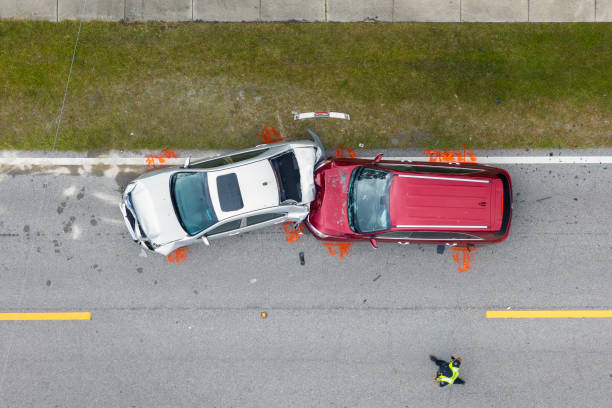
Targeted safety measures reduce pedestrian fatalities and align with Vision Zero initiatives. Cities can identify crowded areas, design pedestrian-friendly spaces, and assess the effectiveness of safety measures with continuous data instead of after-the-fact estimates.
Long-term datasets without the survey crew. The same FusionSensor that powers daily operations is also the data source for capital planning, grant applications, and corridor master plans.
Schedule a meeting with one of our specialists. See how FusionSensor delivers real-time pedestrian intelligence aligned with Vision Zero goals, from crosswalks to events to smart cities.
Counting people is increasingly becoming a crucial component of intelligent transportation systems and smart city initiatives. Pedestrian tracking involves using sensors, video, and AI to capture real-time data. With insights into foot traffic, city planners can design better walkways, reduce overcrowding, and enhance intersections for peak times, improving mobility and creating safer livable spaces.
Yes. The sensor is IP66/NEMA 4 rated and operates from minus 30 to plus 75 Celsius. HD3D radar pairs with AI vision so detection holds across day, night, fog, snow, and other weather conditions where cameras alone fall short.
All AI processing runs on the device through TrueEdge, with on-device sensor fusion at 20 times per second. Counts, classifications, and time-stamped metadata are what flow downstream. No cloud round-trip required.
FusionSensor outputs in standard formats including JSON, XML, NTCIP, SDLC, and MS2 over 100BaseT Ethernet, CAT6 PoE, or 4G and 5G LTE. Data flows seamlessly into ATMS platforms, signal controllers, dashboards, and Vision Zero systems without middleware.
Yes. FusionSensor mounts to existing roadside infrastructure, supports event coordination, and helps prevent dangerous conditions by detecting potential crowd aggregation in real time at concerts, sporting events, conventions, and public gatherings.
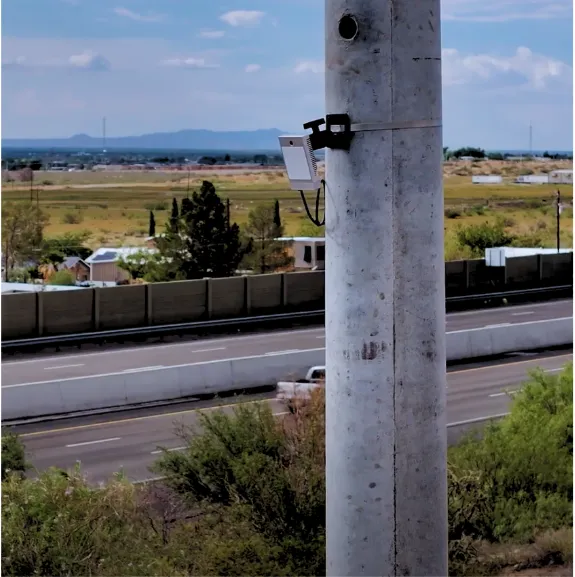
Each FusionSensor installs in under an hour on poles, rooftops, or light masts. It weighs 1.72 pounds, uses 12 to 15 watts average over PoE 802.3at or 802.3bt, and carries IP66 and NEMA 4 ratings for outdoor deployment in any climate.
The right test is accuracy in your worst conditions: crowds, darkness, rain, and backlight, plus privacy handling and integration with your existing systems. Fused radar and AI vision holds 98.7 percent accuracy through those conditions, which is where single-technology counters fall short.
Radar detects that something is present and moving while AI vision classifies it as a pedestrian, cyclist, or vehicle. Fusing both readings on the device produces a count that holds up in crowds and low light where camera-only counters miss people.
VRU detection identifies and counts the people most exposed in traffic: pedestrians, cyclists, scooter riders, and wheelchair users. It is the data backbone of Vision Zero programs, which need to know where VRUs actually are before they can protect them.
Legacy counters lose accuracy exactly when counts matter most: crowds, shadows, night, and weather. Sensor fusion addresses this by requiring two independent readings to agree, which is how FusionSensor maintains 98.7 percent accuracy in field conditions.
Yes. When processing happens on the sensor itself, only anonymous counts, classes, and timestamps leave the device. No video streams to the cloud and no personally identifiable information is captured, which keeps counting compatible with privacy requirements.