
Ramp Metering Systems
Ramp metering uses signals at the onramp to release vehicles one at a time, smoothing the merge and keeping the mainline flowing. FusionSensor measures real-time mainline density, ramp queue length, and merge gaps, then adjusts the meter rate continuously to match actual conditions.
Merge Congestion
Most ramp metering systems run on pre-set release rates with no real-time visibility into mainline density, ramp queues, or how adjacent ramps are performing. The result: missed opportunities to keep freeways flowing.
When several vehicles merge onto the freeway at once, mainline speeds drop and traffic transitions from free flow to stop-and-go. Once that breakdown starts, it cascades upstream for miles and takes hours to recover.
Fixed-rate metering plans can't see how long the onramp queue has grown. When the queue spills back onto the surface street, it blocks intersections and shifts congestion from the freeway to the city grid.
Most metering systems run on pre-set release rates with no sensor input on actual mainline density, ramp demand, or merge gaps. Operators tune the plan once, then hope conditions on the ground match months later.
Adjacent onramps run independent metering plans even when traffic at one ramp affects the next. Without coordination, fixing congestion at one ramp just creates it at the one downstream.

Queue Detection Technology
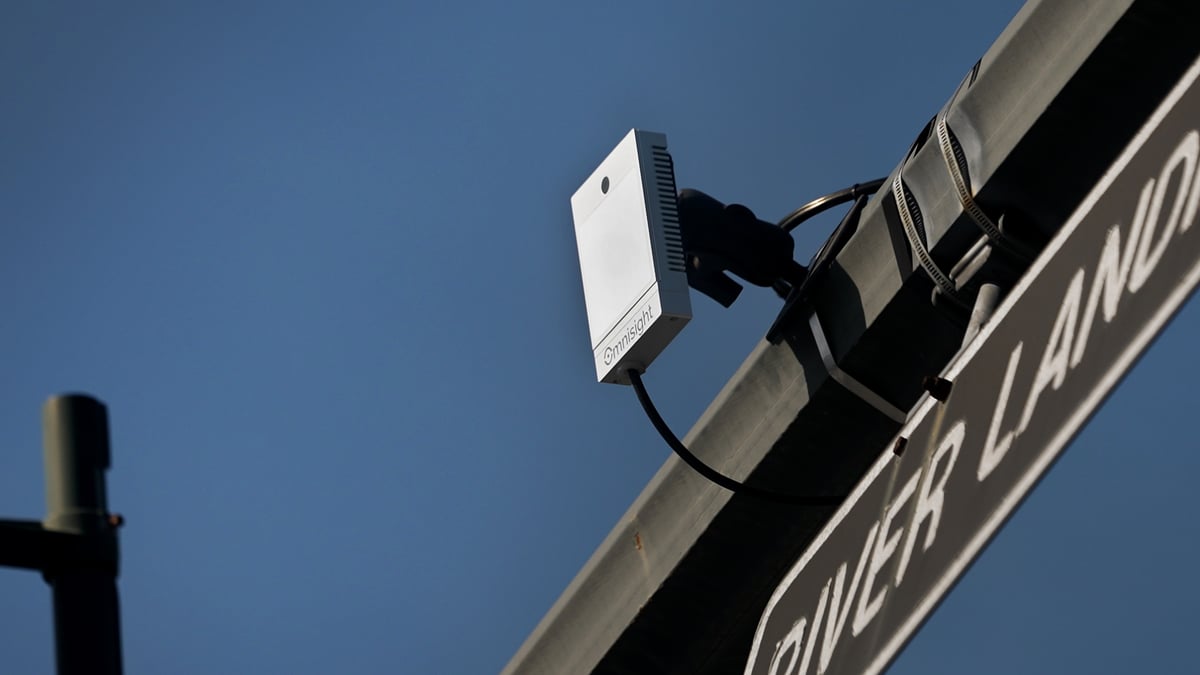
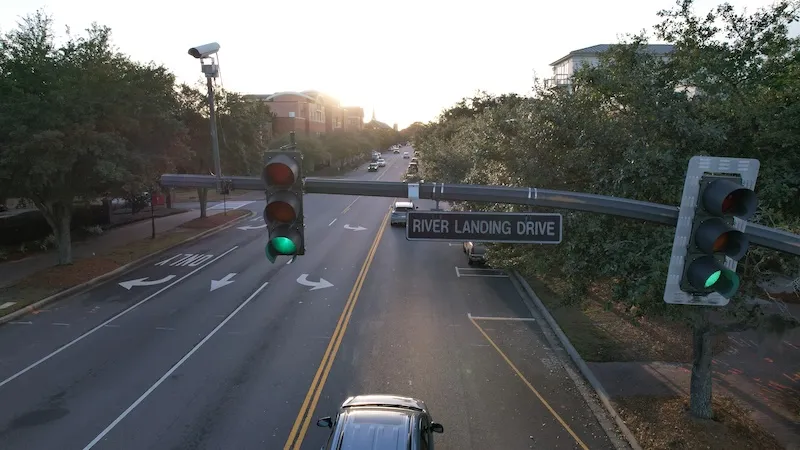
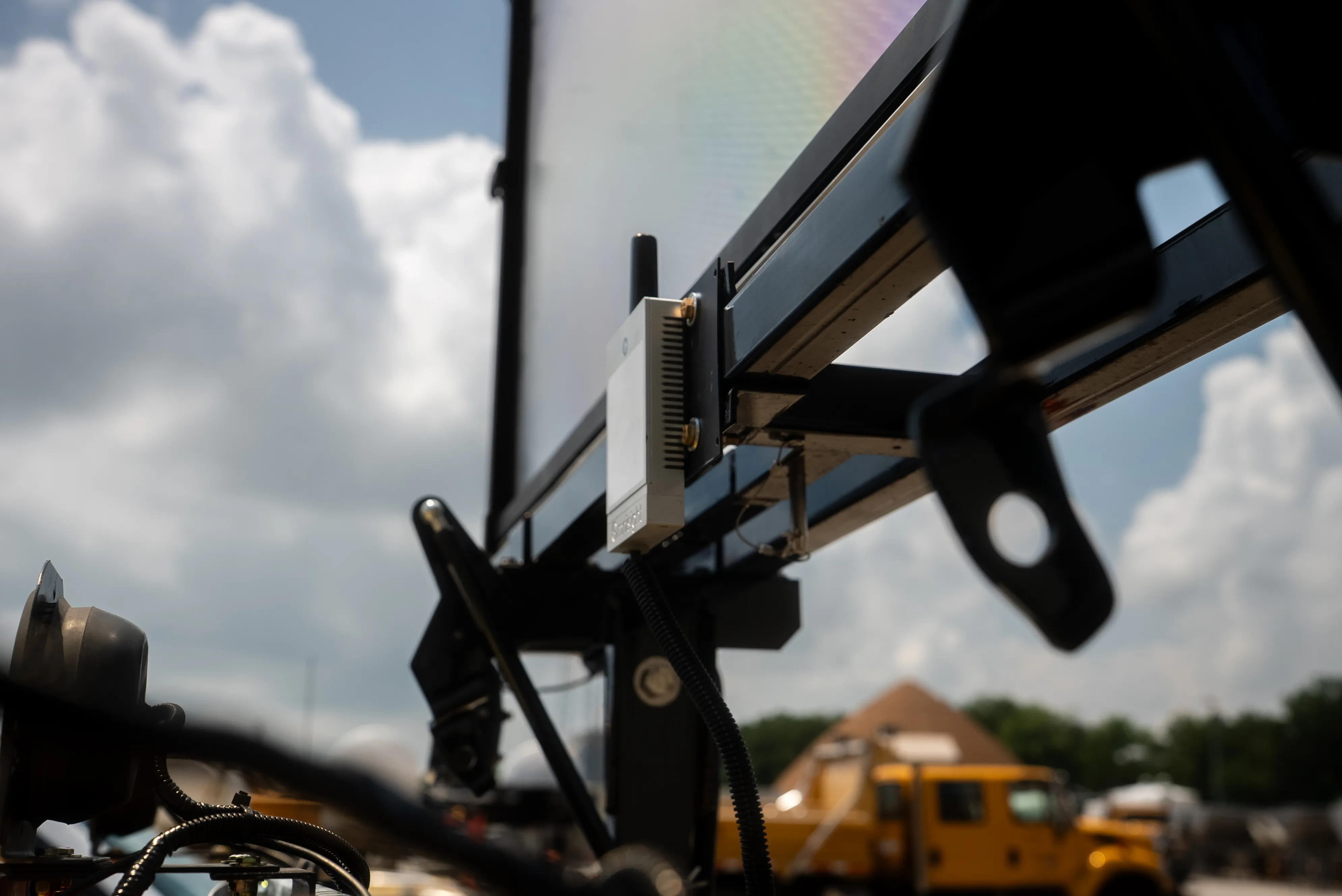
FusionSensor pairs HD3D radar with AI powered HD video and TrueEdge on-device processing to give ramp metering systems the real-time data they need to actually adapt.
HD3D radar measures vehicle counts, speeds, headways, and occupancy on the mainline lanes immediately upstream and downstream of the onramp merge. The meter rate adjusts the moment mainline conditions shift.
AI powered HD video continuously measures the length of the queue building on the onramp itself. When the queue approaches the arterial street, the meter relaxes automatically to prevent spillback before it happens.
Classify every vehicle approaching the meter (passenger car, HOV, transit, emergency, commercial truck) and route HOV, transit, and emergency vehicles through the bypass lane in real time.
Multiple FusionSensor units share data across an entire freeway corridor. Metering rates at every onramp adjust together based on the full picture, not each ramp acting alone.
ONE DEVICE
Adaptive Meter Rates
Each FusionSensor captures the data the meter actually needs (mainline density, ramp queue length, and vehicle class) and pushes it to the controller, the TMC, and corridor neighbors in real time.
HD3D radar and AI powered HD video track every vehicle on the mainline lanes and the onramp at the same time, counting cars, measuring speeds and headways, and watching the queue build.
TrueEdge processing runs on the sensor itself, turning raw radar and vision data into mainline density, ramp queue length, and vehicle class signals in milliseconds (no round trip to a server).
Your existing ramp metering algorithm receives a live picture of mainline saturation and ramp queue length, and adjusts the meter rate continuously to keep mainline flow stable without backing traffic onto the arterial.
Data flows to the TMC and to adjacent FusionSensor units along the corridor, so every onramp meter, message sign, and ramp dashboard reacts to the same real-time picture.
Mainline Flow Gains
What changes when your meter can finally see both the mainline and the ramp at the same time.
THE PROBLEM
Traditional time-of-day metering keeps releasing vehicles at a preset rate while mainline flow is already collapsing into stop-and-go, locking in congestion instead of preventing it.
THE INSIGHT
Mainline density shifts second by second with incidents, weather, weaving, and surge events. The metering rate has to track that, not a static schedule from last month.
THE SHIFT
FusionSensor feeds the controller a live picture of mainline density, ramp queue, and vehicle class, so the meter rate adapts the moment conditions change and relaxes automatically when the ramp queue threatens the arterial.
THE RESULT
Operators get higher mainline throughput, faster recovery after incidents, and fewer complaints from arterial drivers stuck behind a ramp queue that backed onto their street.
See how FusionSensor turns fixed ramp meters into real-time, mainline-aware adaptive metering, without ripping out your controller.
No. FusionSensor is designed to feed your existing controller better data, whether you're running a fixed-time meter, ALINEA, SWARM, HERO, or your own custom algorithm. The unit publishes mainline density, ramp queue length, and vehicle classification through standard interfaces, so your current logic just gets sharper inputs.
AI vision continuously segments the queued vehicles on the onramp from the moving traffic, measuring queue length in linear feet and number of vehicles. Because it's vision-based, you see where the queue tail actually is rather than guessing from a fixed-position presence detector.
Yes. The sensor watches the queue tail and triggers your controller's queue override the moment the queue passes a threshold you define (for example, within 200 feet of the arterial). The meter rate relaxes immediately to prevent spillback, then tightens back up when the queue clears.
Yes. FusionSensor classifies every approaching vehicle, including HOV, transit, and emergency, and can route them through your bypass lane in real time. The same classification feed can drive transit signal priority on the connecting arterial.
Yes. Units along the same freeway share data so metering rates on every onramp react to the same real-time picture of mainline saturation. That's the difference between each meter optimizing locally and the corridor optimizing as a whole.
Each FusionSensor installs in under an hour on poles, rooftops, or light masts. It weighs 1.72 pounds, uses 12 to 15 watts average over PoE 802.3at or 802.3bt, and carries IP66 and NEMA 4 ratings for outdoor deployment in any climate.
Ramp metering uses a signal at the freeway onramp that releases vehicles one or two at a time instead of letting a platoon merge at once. Spacing out the merges keeps mainline traffic flowing and delays the transition to stop-and-go.
Yes, when the rates match real conditions. Metering prevents the merge-triggered breakdowns that cascade upstream for miles, and adaptive rates driven by live mainline and queue data outperform fixed schedules that cannot see the road.
A safety valve: when the onramp queue grows long enough to threaten the surface street, the meter automatically relaxes to release vehicles faster, then tightens again once the queue clears. It requires knowing where the queue tail actually is, which is a sensing problem.
Three measurements: mainline density upstream and downstream of the merge, ramp queue length, and vehicle classification for HOV and transit bypass. FusionSensor covers all three from one device instead of separate loops and detectors.
It feeds whatever logic the agency runs: fixed-time, ALINEA, SWARM, HERO, or custom algorithms. The sensor supplies sharper real-time inputs over standard interfaces; the controller keeps making the decisions.